The Next Shift in Florida Real Estate May Not Be About Interest Rates
Everyone is watching interest rates, inventory, and headlines about whether the market is “up” or “down.” But I believe something much larger may quietly be developing beneath the surface of the Florida real estate market.
If Florida voters approve meaningful homestead property tax reductions in 2026, it could fundamentally change the way people evaluate homeownership in this state.
For years, buyers have often focused on size, upgrades, status, and monthly payment. But I believe we may be approaching a period where buyers begin thinking differently. The conversation may slowly shift from “What is the biggest house I can buy?” to “What is the smartest home to own long term?”
That is a very different mindset.
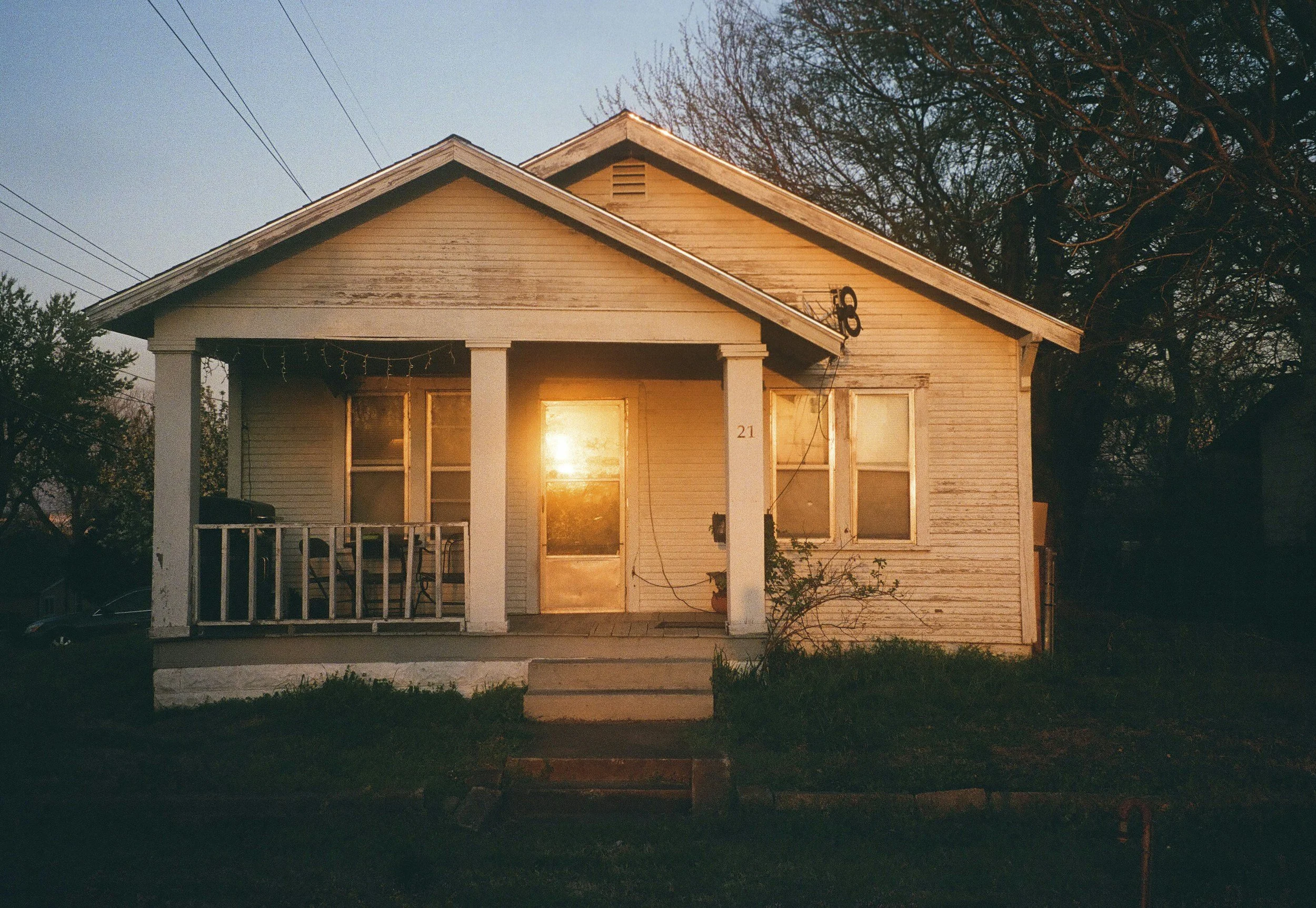
For retirees, remote workers, and cash buyers relocating from high-tax states, a modest Florida homestead could begin representing more than just a place to live. It could become a strategic lifestyle decision centered around long-term stability, lower carrying costs, and financial simplicity.
A paid off Florida home with lower taxes, lower maintenance obligations, and no state income tax may begin looking increasingly attractive compared to larger, more expensive properties with significantly higher ongoing expenses.
What I find especially interesting is that this could create stronger demand for lower and mid-priced homes rather than only luxury properties. In some cases, the simpler home may become the more desirable asset because the ownership structure itself becomes part of the value.
At the same time, appraisal modernization is evolving nationally. As buyer behavior changes, valuation models may eventually begin reflecting factors beyond square footage and cosmetic finishes alone. Lifestyle efficiency, resilience, affordability, and long-term ownership costs may increasingly influence market perception.
None of this is certain, of course. Florida still faces real challenges including insurance costs, infrastructure strain, and affordability concerns. But markets are often shaped by psychology before they are reflected in statistics.
And right now, I believe a growing number of people are beginning to think less about maximizing consumption and more about simplifying ownership.
That may become one of the defining real estate trends of the next decade.
Whit Watson